
- News
- City News
- kochi News
- Kuttichira to fete Zamorin’s role in defending Mishkal Mosque tomorrow
Trending
Kuttichira to fete Zamorin’s role in defending Mishkal Mosque tomorrow
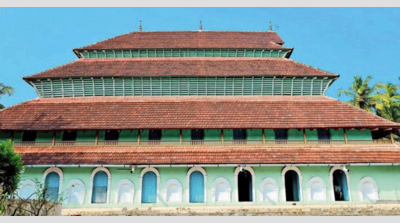
Muslims of Kuttichira will uphold the tradition of visiting the descendants of Zamorins, erstwhile Hindu rulers of Malabar, on Sunday, to thank them for defending the historical Mishkal Mosque
The visit also commemorates the Zamorin's act of retribution by capturing the Chaliyam Fort of the Portuguese in 1571 and reconstructing the mosque using the very remnants of the fort. This year, representatives of various organisations in Kuttichira -- including descendants of the Qazi family, the mosque committee and the Qazi Foundation -- will visit the Thiruvanoor residence of the present Zamorin, K C Unni Anujan Raja, on Sunday afternoon. The delegation, led by acting qazi of Kozhikode and qazi of Mishkal Mosque Safeer Saqafi, will also present a memento to him.

In 1510, when Portuguese forces led by Afonso de Albuquerque attempted to burn down the Mishkal Mosque, the then Zamorin dispatched a 500-member army, largely comprising Nair warriors. These warriors fought alongside local Muslims, and some of them even laid down their lives in resisting the attack, though part of the mosque was burnt down and its mihrab (pulpit) was destroyed. The mosque, established by Arab merchant Nakhooda Mishkal, still bears the scars of that attack.
Ismail said the Portuguese specifically targeted the Mishkal Mosque to wedge a divide in the warm relations that existed between the Arabs and Zamorins. "Kuttichira is completely a Muslim neighbourhood, but it has some prominent places of worship of other communities on its boundaries -- like the Shri Bhagwan Kalikund Parshvanath Jain Temple and the Gujarati temple. The communities have been living in amity," he said.
Historian P Sivadasan said the Mishkal-Zamorin bond had more significance in today's context, where attempts to steer the country away from the spirit of cultural symbiosis and to rake up ownership disputes over religious sites were on the rise. "The Zamorin's forces were able to crush the Portuguese in 1571 and capture the Chaliyam Fort, which was the first defeat suffered by Europeans in India. The fort was dismantled and in a symbolic gesture, the Zamorin provided timber from the fort to repair the Mishkal Mosque," he said.
End of Article
FOLLOW US ON SOCIAL MEDIA









Photostories

Hot Picks
TOP TRENDING
Explore Every Corner
Across The Globe
Aibe ResultIndia Post GDS Merit ListBrad MarchandSudiksha KonankiIPL CaptainsDonald TrumpIPL RulesElon MuskHeathrow AirportIndonesia Lewotobi VolcanoIPL Opening CeremonyBadar Khan SuriMeghan MarkleTerry BradshawLebron JamesTaylor SwiftNBA Offseason RumorsIndian Researcher in USJoshua RiibeMarch Madness 2025Tammy LynnTerry BradshawDelhi HC Judge Cash RecoveryBride Burn in BengaluruLondon Heathrow AirportAnthony SmithDwayne WadeMarch Bank HolidaysHow to Watch IPL 2025IPL 2025 Schedule
Hot on the Web
Navratri 2025Solar Eclipse 2025Largest AnacondaHigh Magnesium FruitsAurangzeb TombPersonality TraitsShoaib MalikSamay RainaSharp VisionBen StillerSobhita DhulipalaHigh Cholesterol SymptomsUric Acid Reducing FoodsVitamin B12 Deficiency SignsCelebrity MasterChefOptical illusionChia Seeds BenefitsAmla Beetroot JuiceH-1B Visa0ptical IllusionRanya RaoViral KohliChhaava Box Office CollectionNagpur Street FoodsKarnataka WeatherNational Parks AsiaRosemary Water For HairWorld Oldest Living TreesFreshwater Aquarium FishesJ Letter Countries
Trending Topics
Karnataka 2nd PUC Answer KeyE Zpass ScamAir India Flight CancelIPL 2025 RulesTangra MurderLucknow Air India Passenger DeathIndia GDS Post ResultEPFO PensionKarnataka BandhSambhajinagar GBS DeathKolkata SuicideVadodara AccidentBengaluru Color BombNIOS Class 10 12 Exam DateCOMEDK UGET RegistrationKolkata Weather UpdateIndia Post GDS Merit ListMarch Madness Full ScheduleHeathrow Airport PowerStephen CurrySridhar VembuKarnataka Bank SO RecruitmentInstagram OutageNYT ConnectionsWordle TodaySolar EclipseHow to Watch KKR vs RCB MatchIPL Live StreamingLive Cricket ScoreIPL Today Match
Popular Categories
HeadlinesSports NewsBusiness NewsIndia NewsWorld NewsBollywood NewsHealth+ TipsIndian TV ShowsTechnologyTravelEtimesHealth & FitnessWWENFLICC Champions TrophyAstrologyWeather TodayIPLHow to watch IPL 2025How to watch IPL in CanadaHow to watch IPL in USAIPL RecordsStock Market HolidaysNSE HolidaysBSE HolidaysMCX HolidaysTechnology NewsInternational SportsPublic HolidaysBank Holidays
Latest News
Rapper Yella Beezy arrested and charged with capital murder for shooting of rapper Mo3Was special cell stalking gangster Nadir Shah before and during his murder in Greater Kailash-1 last Sept?The Diplomat Box Office Collection Day 8: John Abraham starrer begins week 2 wih low Rs 1.25 crore collectionMadras HC restrains Centre from publishing 2025 NIRF ranking'Defining moment': Tamil Nadu chief minister M K Stalin to host delimitation meet todayBJP wary of Nitish Kumar's 'erratic behaviour', fears it will give ammo to opposition before Bihar polls"He’s in love with the game": Deion Sanders publicly champions Travis Hunter’s NFL ambitions to play both offense and defenseBengaluru top cop warns legal action against those enforcing Karnataka bandh todayCash recovery at judge Yashwant Varma’s home: CJI may decide on inquiry todayDMK using anti-Hindi protest to hide its corruption: Amit ShahFarmers' outfits reject talks offer, to hold rallies in Punjab next weekWoman who accused Maharashtra minister Jaykumar Gore of harassment held for extortionUttar Pradesh needs 26-27 % year on GDP growth to achieve 1 trillion dollar before 2030: CEO Deloitte South AsiaFarmers ignored in Budget, denied loan waiver: Opposition in Lok Sabha"He needs publicity": Is Bill Belichick’s romance with Jordon Hudson a strategic move? Skip Bayless believes it’s an attempt to stay in the spotlightAllahabad HC not a trash bin, says Bar bodyElderly can't move senior citizen tribunal to evict golden ager: Bombay HCTest now to verify potency in 2017 not legal: Bombay HC
Copyright © 2025 Bennett, Coleman & Co. Ltd. All rights reserved. For reprint rights: Times Syndication Service